# Solutions
Ptengine provides comprehensive solutions for different types of business websites. However, regardless of the scenario, Ptengine remains a front-end service and cannot currently provide statistics for data that exists outside of the page.
Below, we use an e-commerce scenario to demonstrate the features Ptengine offers.
### How to Use Ptengine in E-Commerce
### Cross-Border E-Commerce User Journey
In an e-commerce scenario, the typical user journey is:
> 1. Land on the landing page
> 2. Browse the landing page to understand the brand style (using the homepage as an example)
> 3. Click or search to enter the product listing page
> 4. Find a desired product and enter the product detail page
> 5. Browse the content, identify a pain point, and add to cart
> 6. Decide to purchase, enter the checkout page, and submit an order
> 7. Proceed to payment and complete the order
We can also describe the user's mindset in cross-border commerce as:
> Awareness - Interest - Consideration - Action
### Common Challenges in Independent Store Operations
* How effective is each advertising channel at acquiring new customers? Which channel has higher quality and better conversion rates?
* At which stage of the user journey do users drop off the most?
* I've collected a lot of data, but how can I tie it back to user behavior?
* For users who drop off at the payment stage, how can I understand the reasons?
* I've identified the problem, but how can I quickly make changes without knowing code?
* I've implemented an idea -- how do I verify whether it actually works?
Let's follow this perspective and see how Ptengine can address all of these challenges on its own.
### Solutions
**1. How to Evaluate Channel Quality**
Ptengine's Data Center provides a wealth of data, but don't worry about being overwhelmed -- each Ptengine module has a clear purpose, presenting different types of data in an organized manner.
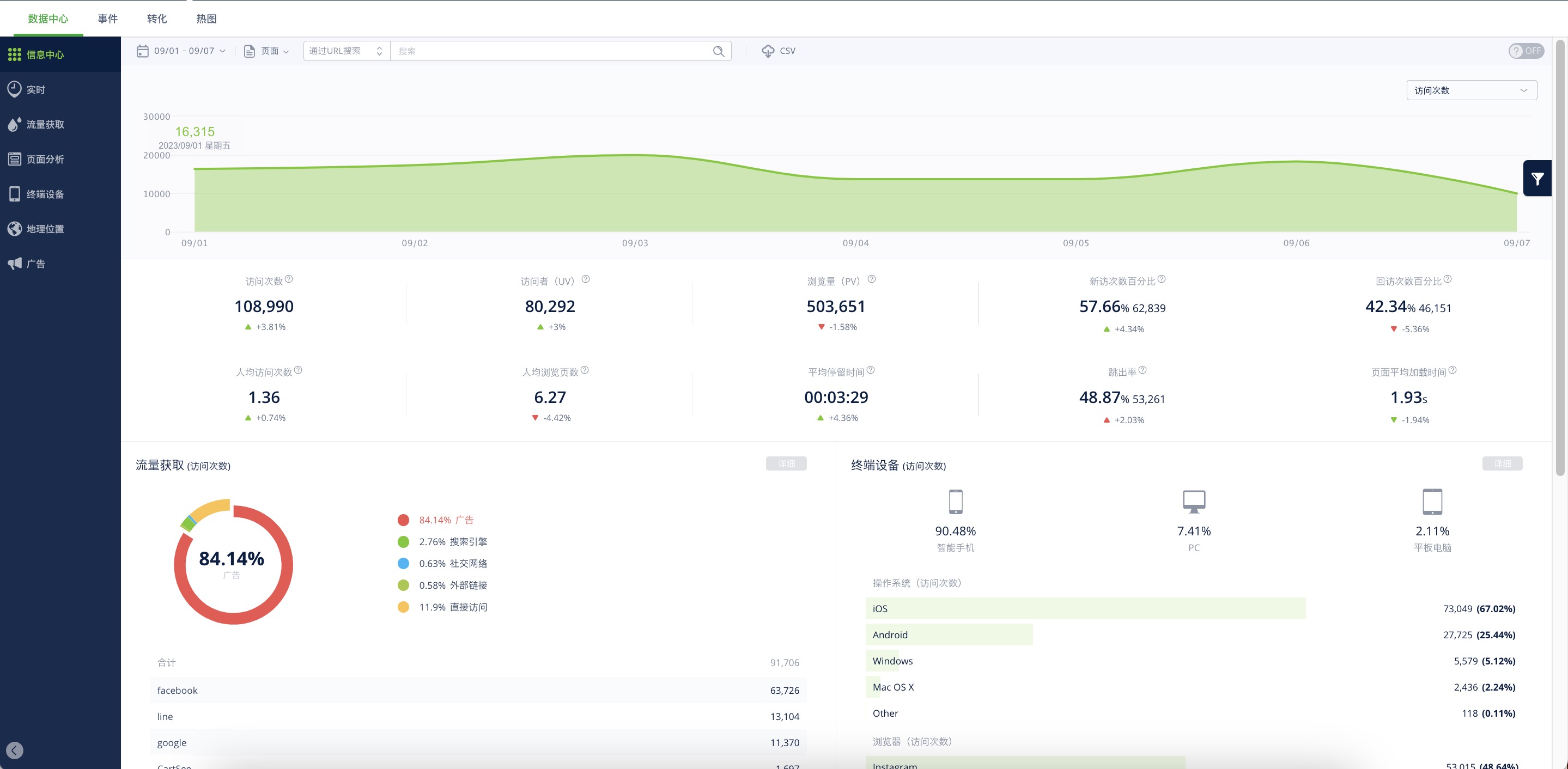
First, you can quickly understand the composition of your traffic sources through the Data Center:
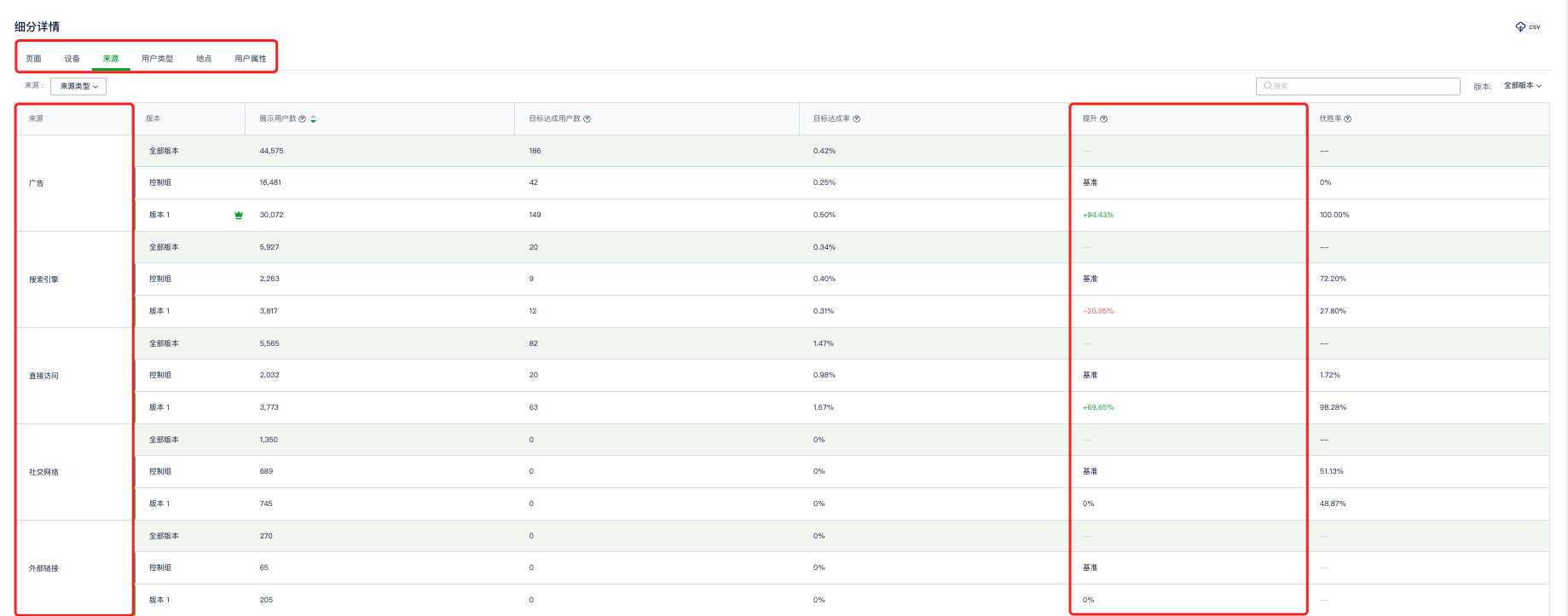
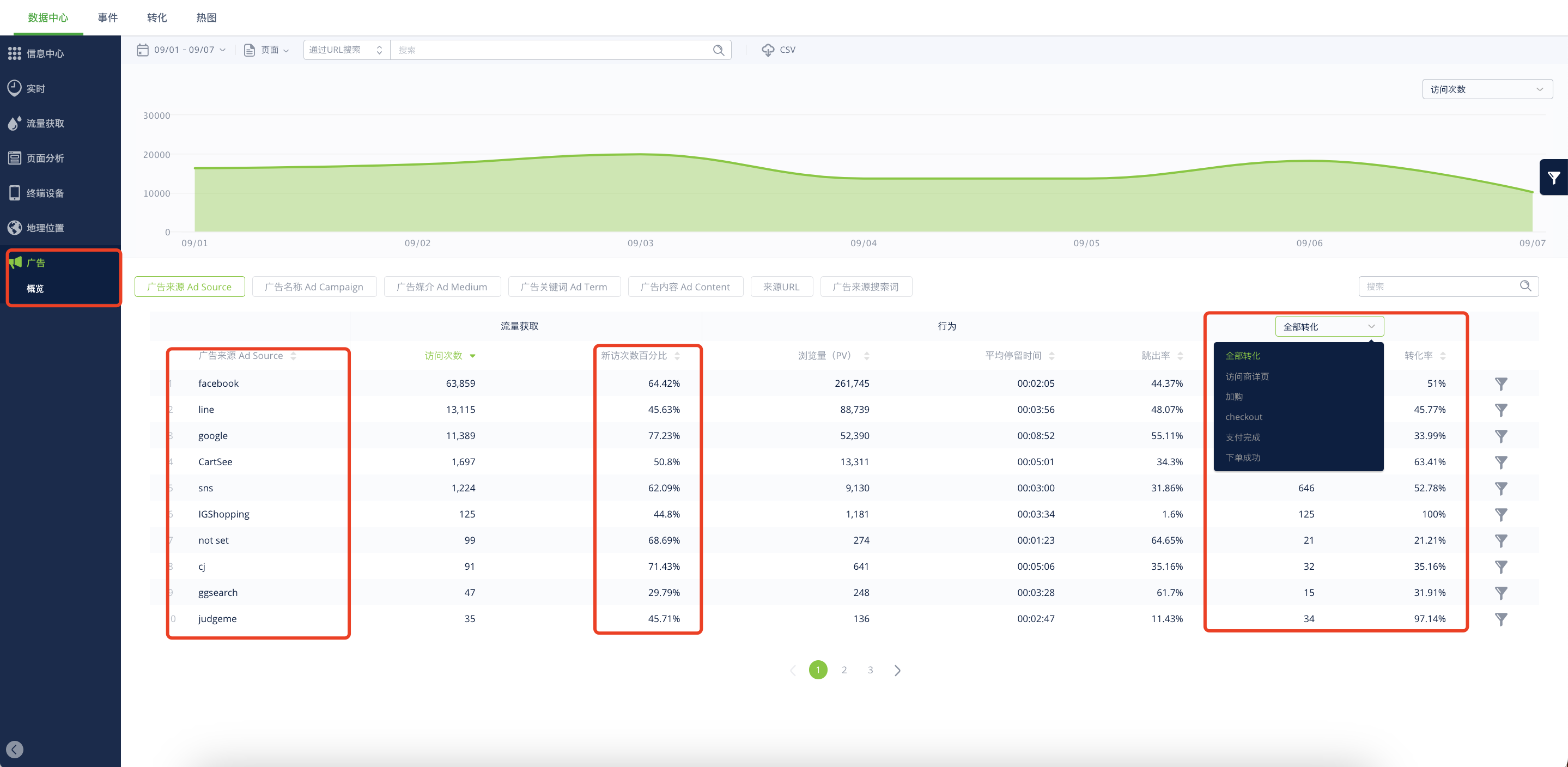
After focusing on ad channels, you can use the Ads module to closely examine the quality of each advertising channel:
**2. Analyzing Conversion Rates at Key User Journey Stages**
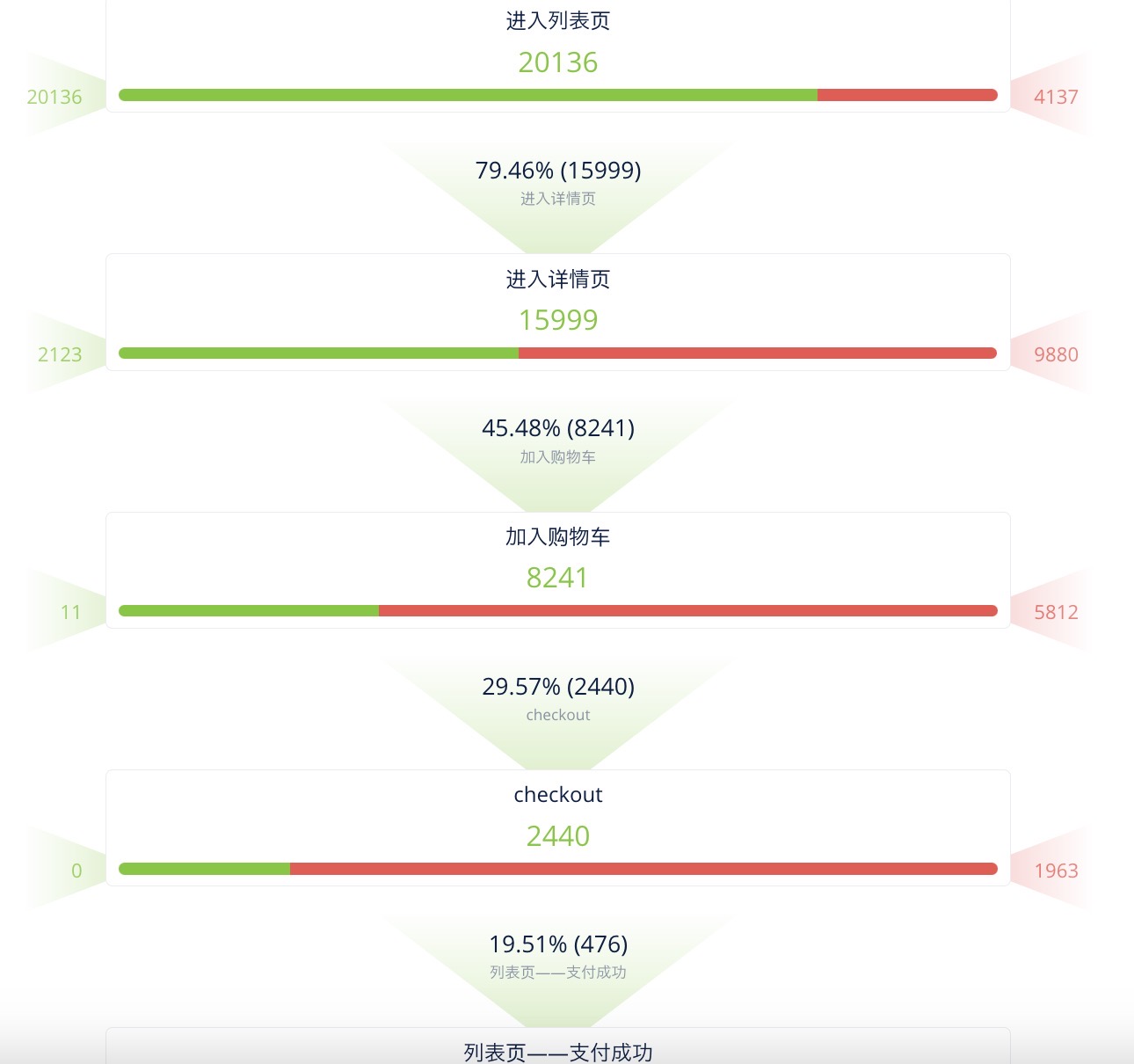
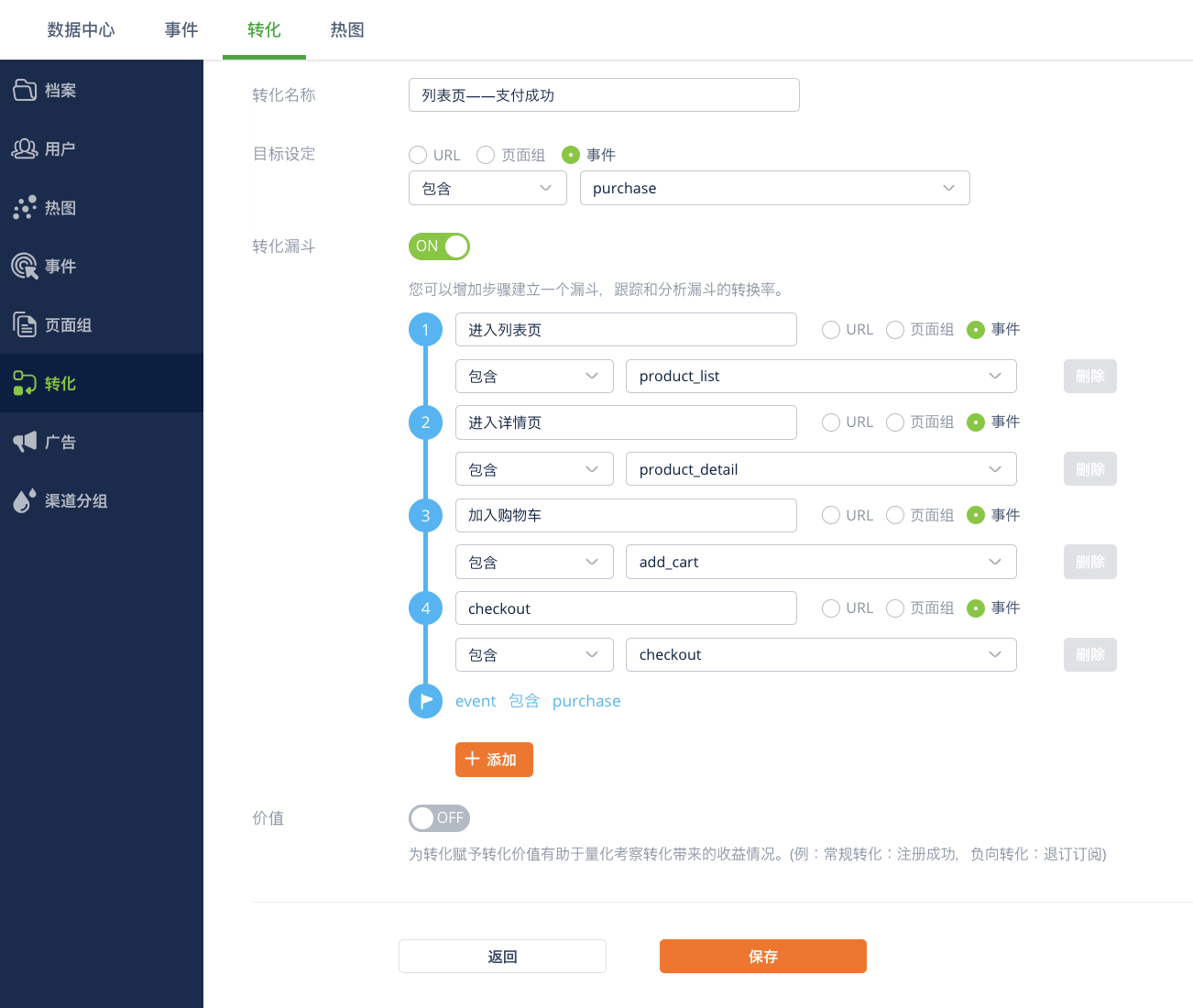
Based on events, you can use the conversion funnel to quickly understand the conversion status at each stage and identify optimization opportunities.\
**3. Visually Observing User Behavior on Pages**
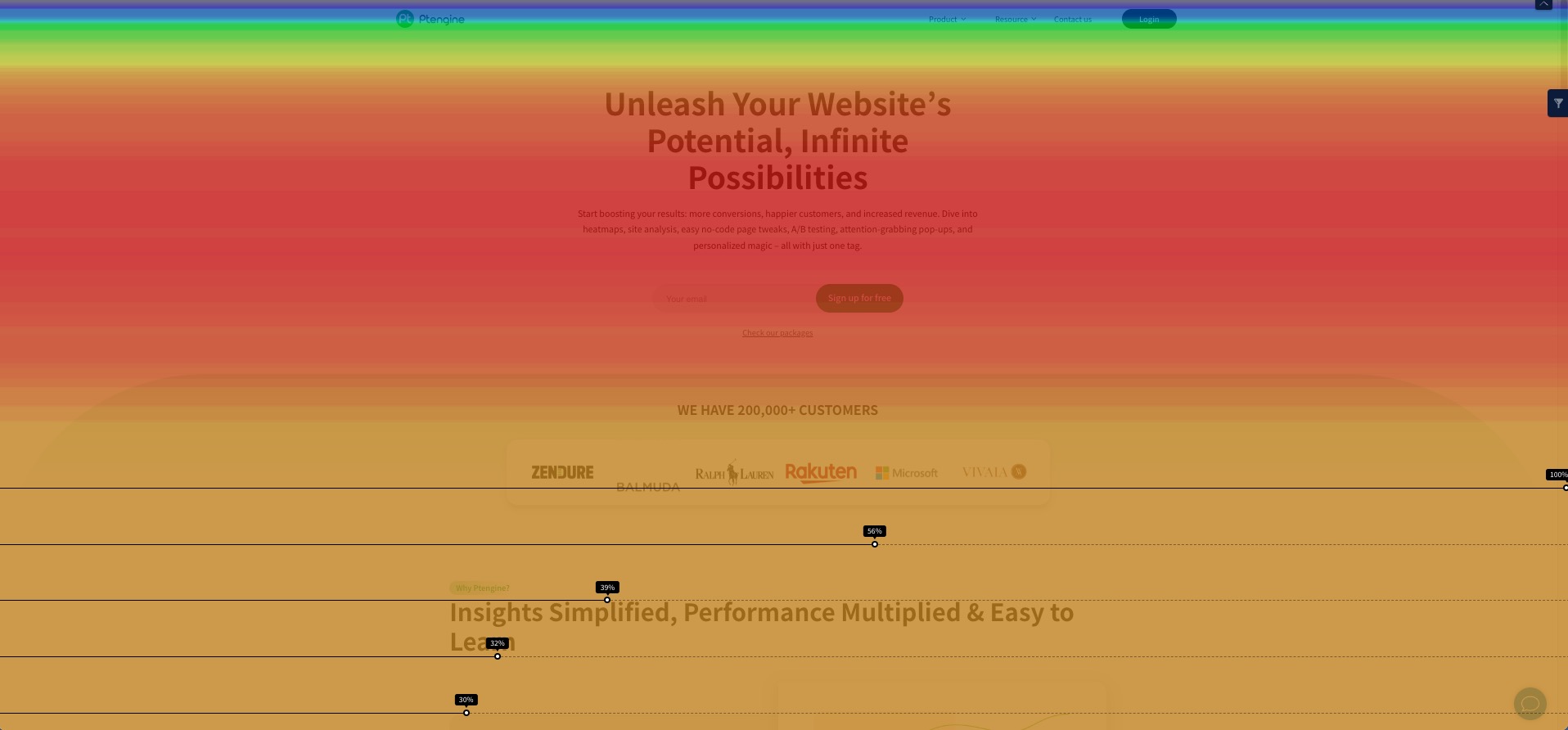
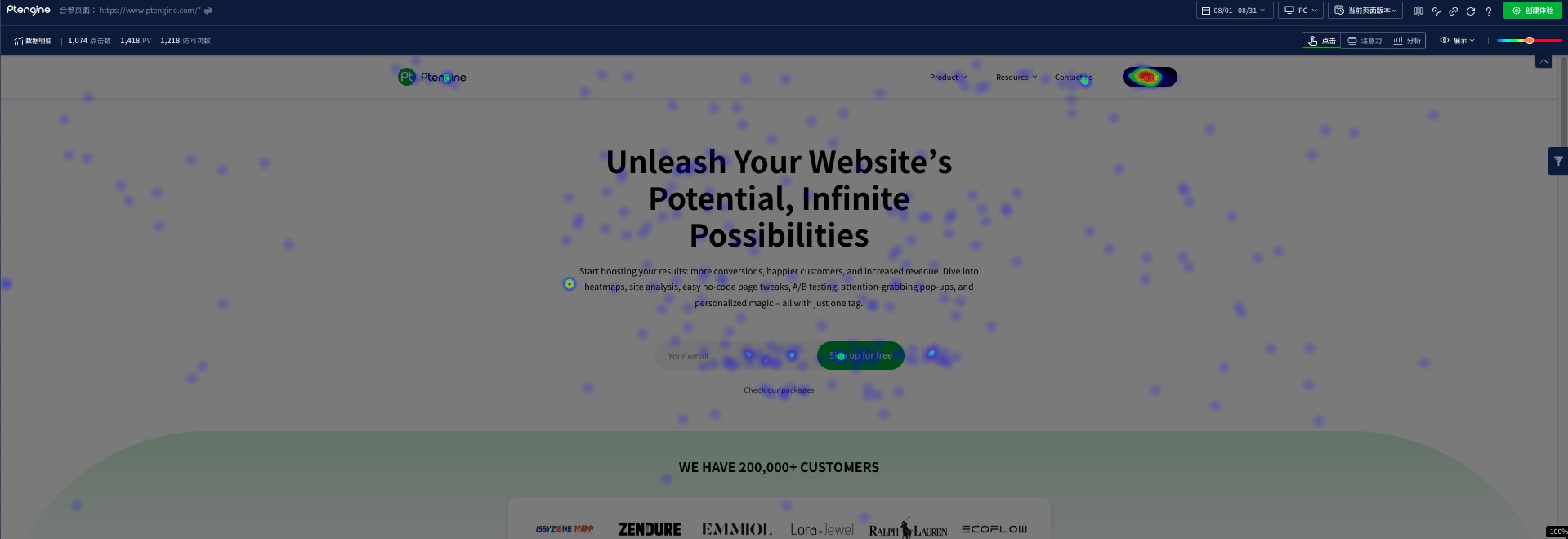
Ptengine is a pioneer in the heatmap space, offering industry-leading multi-dimensional heatmaps that enable you to quickly identify every user focus point.\
**4. Engaging Users at Drop-Off and Conversion Points**
Through the data analysis above, you can identify user drop-off stages and pain points on key pages.\
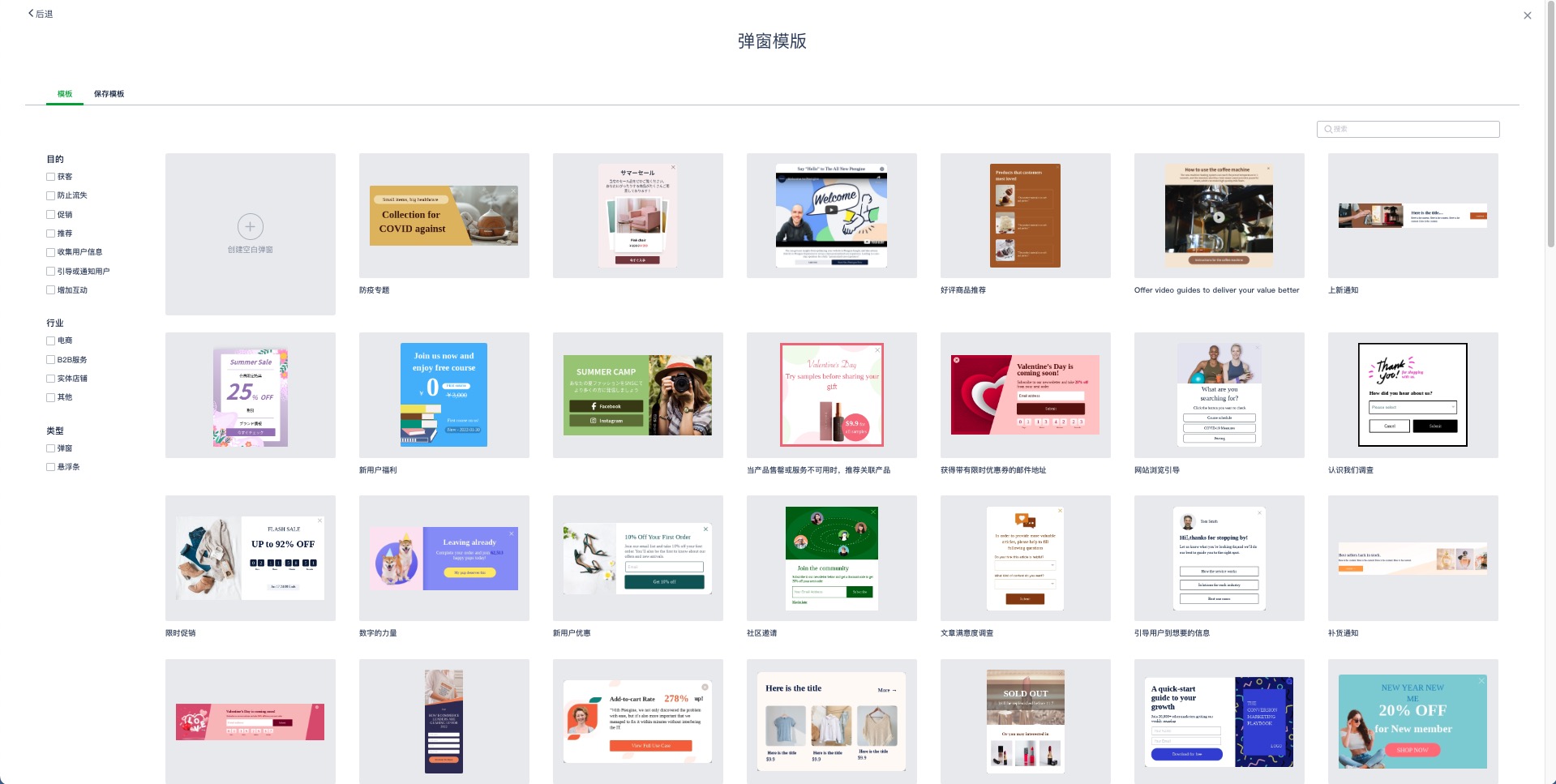
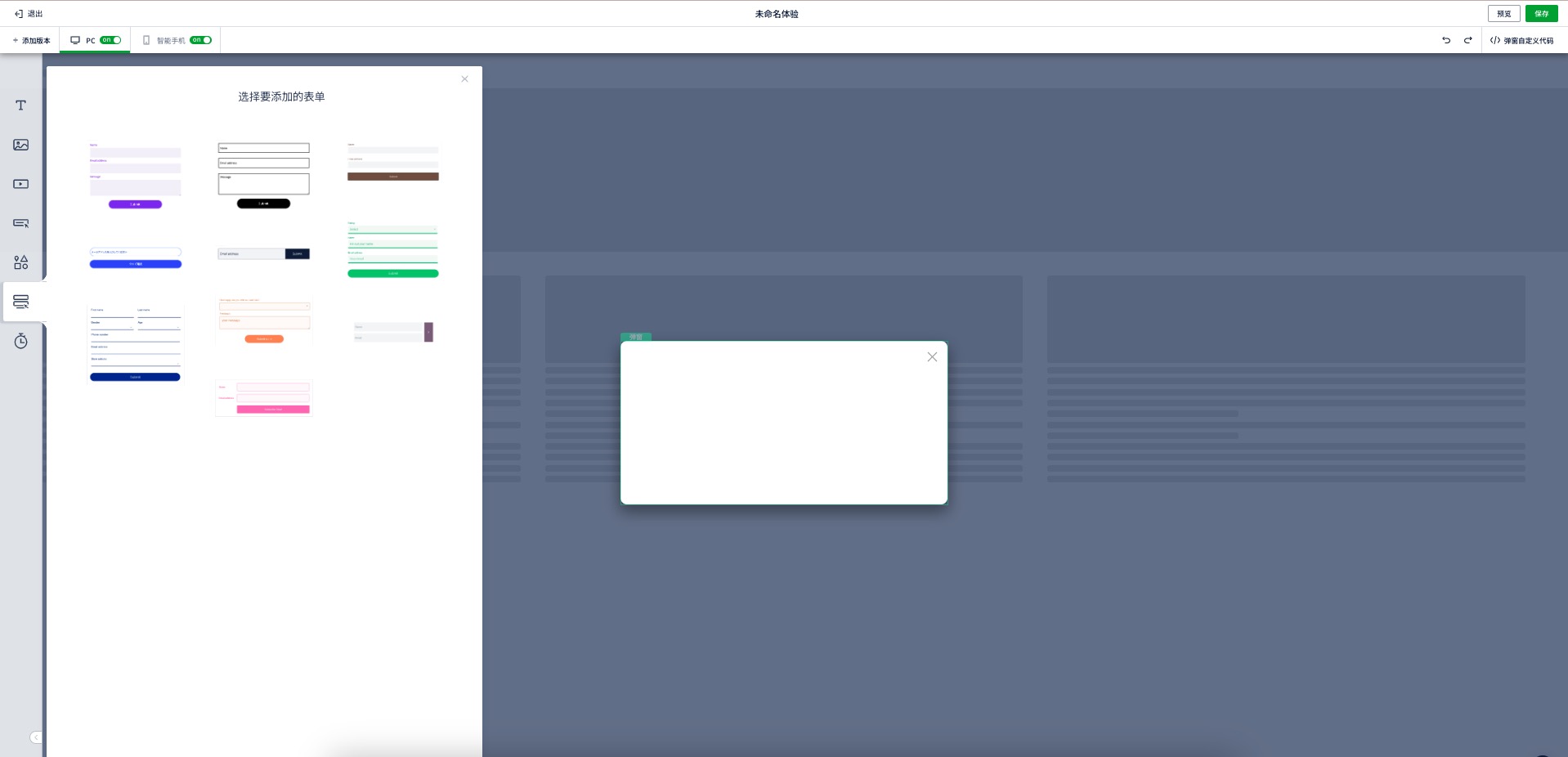
Without any third-party tools, Ptengine's Experience provides highly customizable popup and sticky bar capabilities.
**5. No-Code Page Editing**
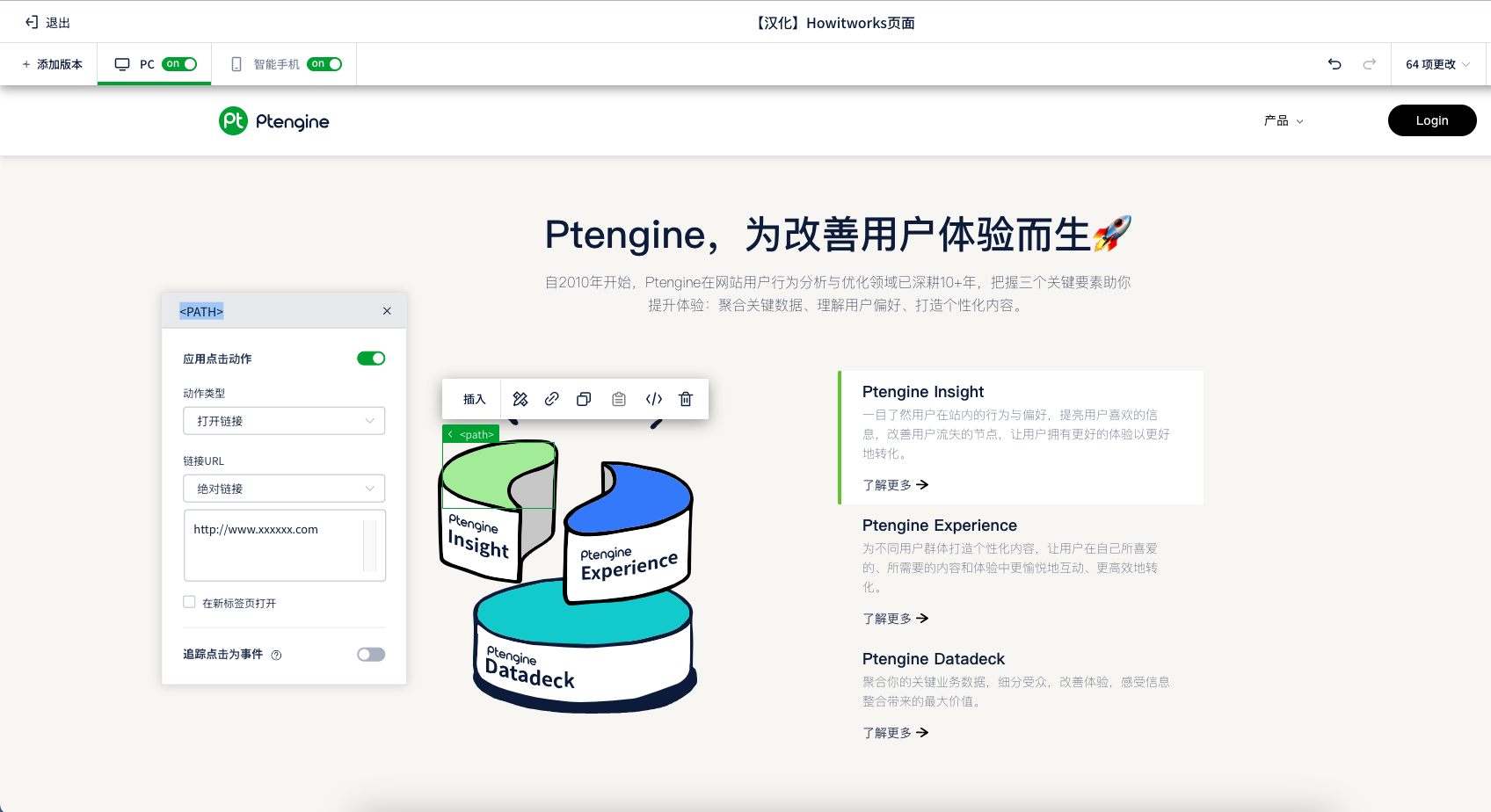
In Ptengine, regardless of the development tools used to build a page, you can perform no-code page editing to quickly bring ideas to life.
**6. Validating Results with A/B Testing**
Before publishing popups or page edits, you can use A/B testing to scientifically verify whether your strategy is truly effective by quickly splitting traffic for validation.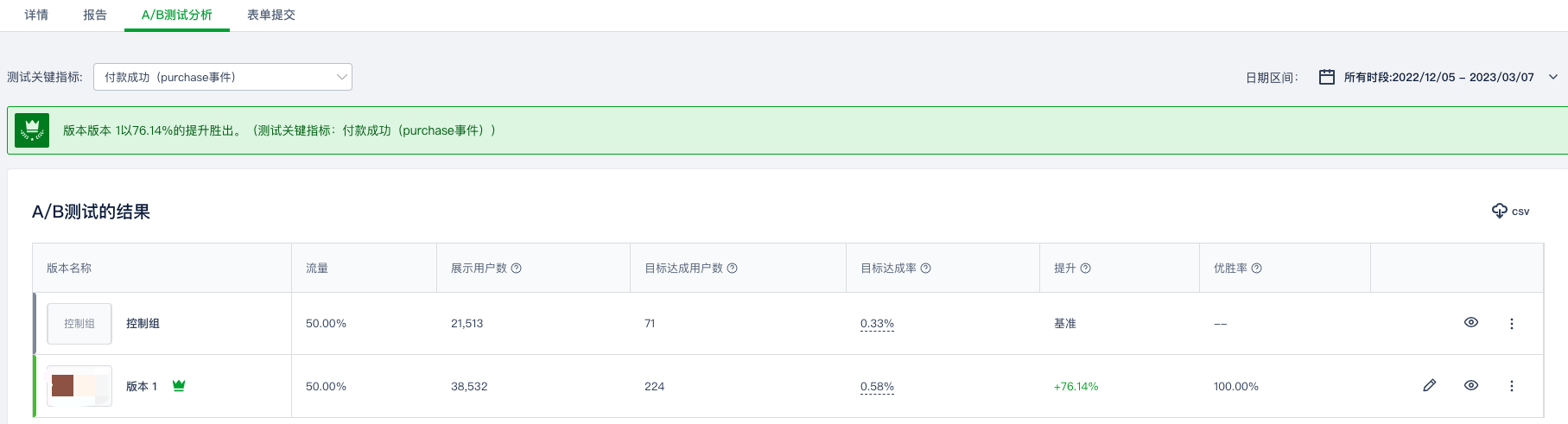
**By following the process above, you have completed a full operations cycle for a cross-border e-commerce scenario -- from identifying problems to implementing strategies, all you need is Ptengine and yourself!**
**You may be curious about how Ptengine obtains all this data. In the next section, we will explain Ptengine's data sources in detail.**
---
# Agent Instructions: Querying This Documentation
If you need additional information that is not directly available in this page, you can query the documentation dynamically by asking a question.
Perform an HTTP GET request on the current page URL with the `ask` query parameter:
```
GET https://helps.ptengine.com/en/getting-started/quick/solutions.md?ask=
```
The question should be specific, self-contained, and written in natural language.
The response will contain a direct answer to the question and relevant excerpts and sources from the documentation.
Use this mechanism when the answer is not explicitly present in the current page, you need clarification or additional context, or you want to retrieve related documentation sections.